Table of Content
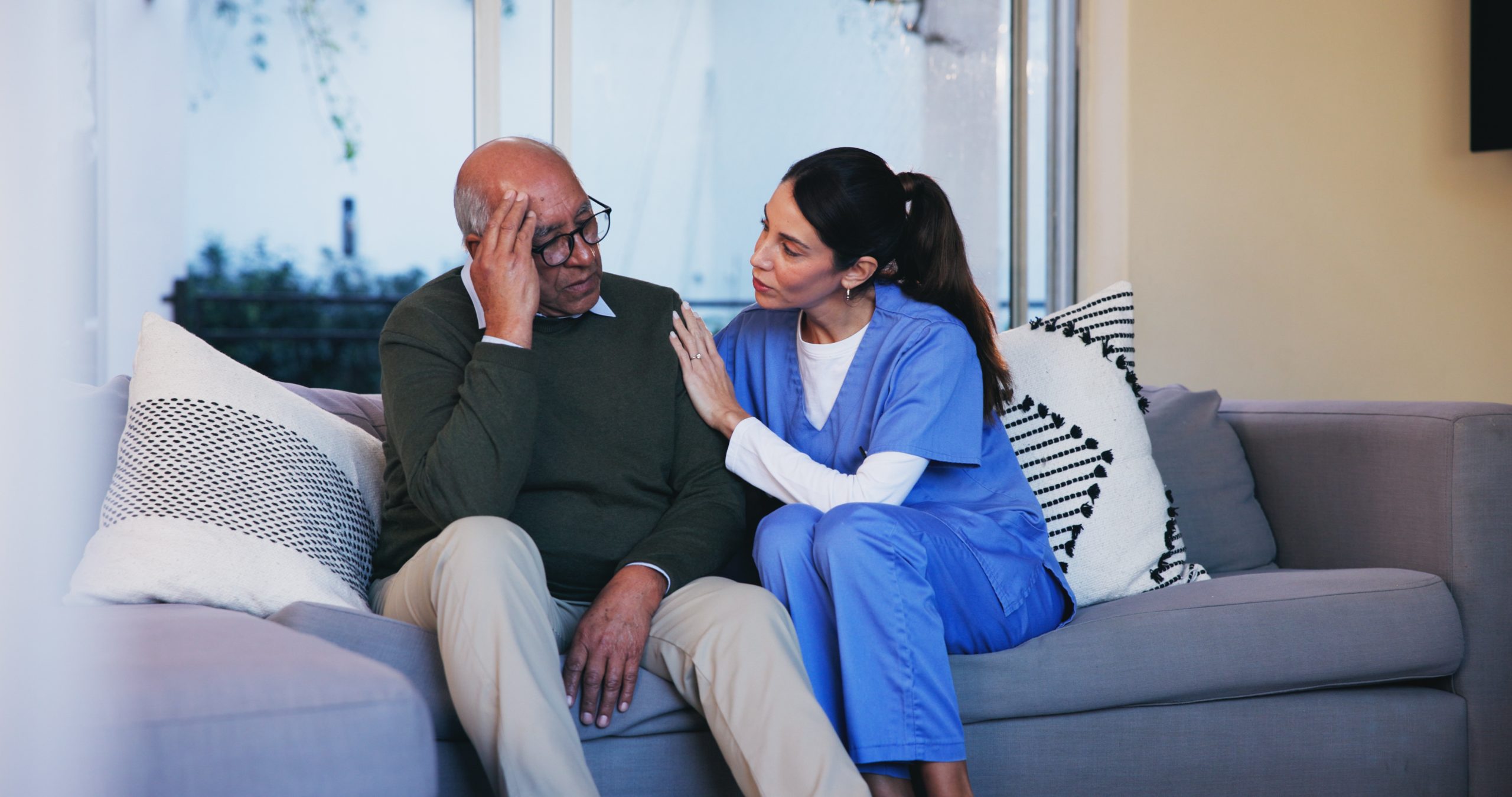
The first 30 days after leaving the hospital are highly dangerous because seniors are extremely vulnerable to infections, medication errors, and physical setbacks during their transition home. Without constant supervision, even minor complications can quickly escalate into life-threatening emergencies. Understanding these risks is essential for ensuring a smooth and safe recovery process for your senior loved one.
What Makes the Body So Vulnerable during This Period?
After a hospital stay, the immune system is often weakened from the initial illness, surgery, or intense treatments. This physical exhaustion leaves seniors highly susceptible to secondary issues such as pneumonia or surgical site infections. Because the body is still spending all its energy trying to heal, it has very few reserves left to fight off new pathogens encountered at home.
How Do Medication Errors Contribute to Post-Discharge Risks?
Seniors frequently receive new prescriptions or dosage changes upon leaving facilities, which can easily lead to confusion for both seniors and their families. Missing doses, taking the wrong pills, or experiencing adverse drug interactions are leading causes of hospital readmission. Common medication pitfalls include:
- Misunderstanding complex new dosage schedules
- Mixing new drugs with older conflicting prescriptions
- Failing to fill new prescriptions promptly due to transportation or financial issues
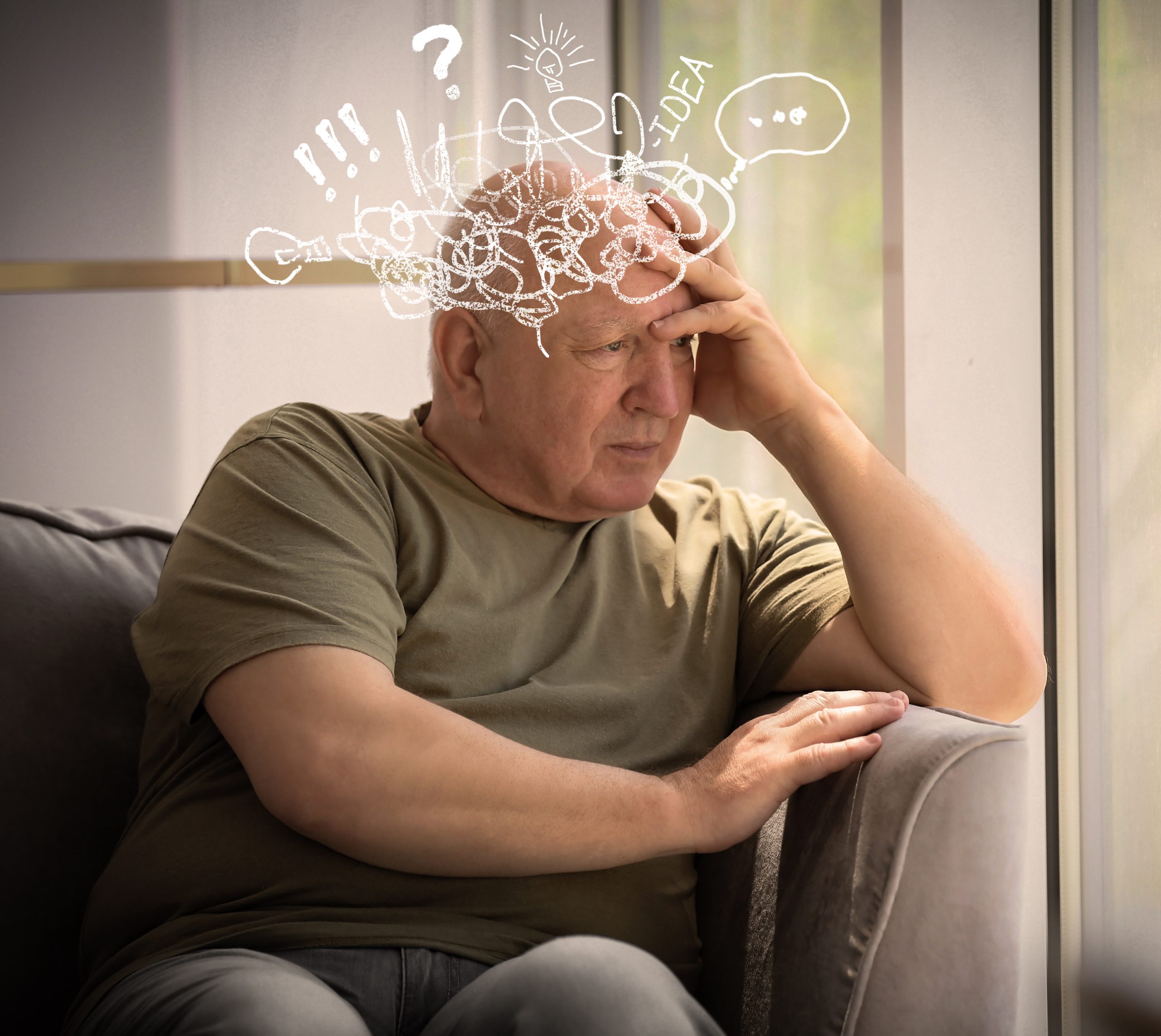
Medication organization can be particularly challenging for seniors with cognitive decline due to dementia. Caring for seniors with dementia can be challenging for family caregivers. Luckily, there is high-quality dementia care available for Columbia seniors and their families. Professional dementia caregivers help seniors with dementia stay safe and comfortable at home by preventing wandering, providing cognitive stimulation, and assisting with household chores.
Why Is a Lack of Supervision Dangerous?
In a clinical setting, nurses and doctors monitor vital signs around the clock to catch warning signs immediately. Once home, seniors and their families may fail to recognize subtle symptoms of a deteriorating condition, such as a slight spike in temperature or minor shortness of breath. Without professional oversight, these easily missed signs can develop into a severe medical crisis before anyone realizes something is wrong.
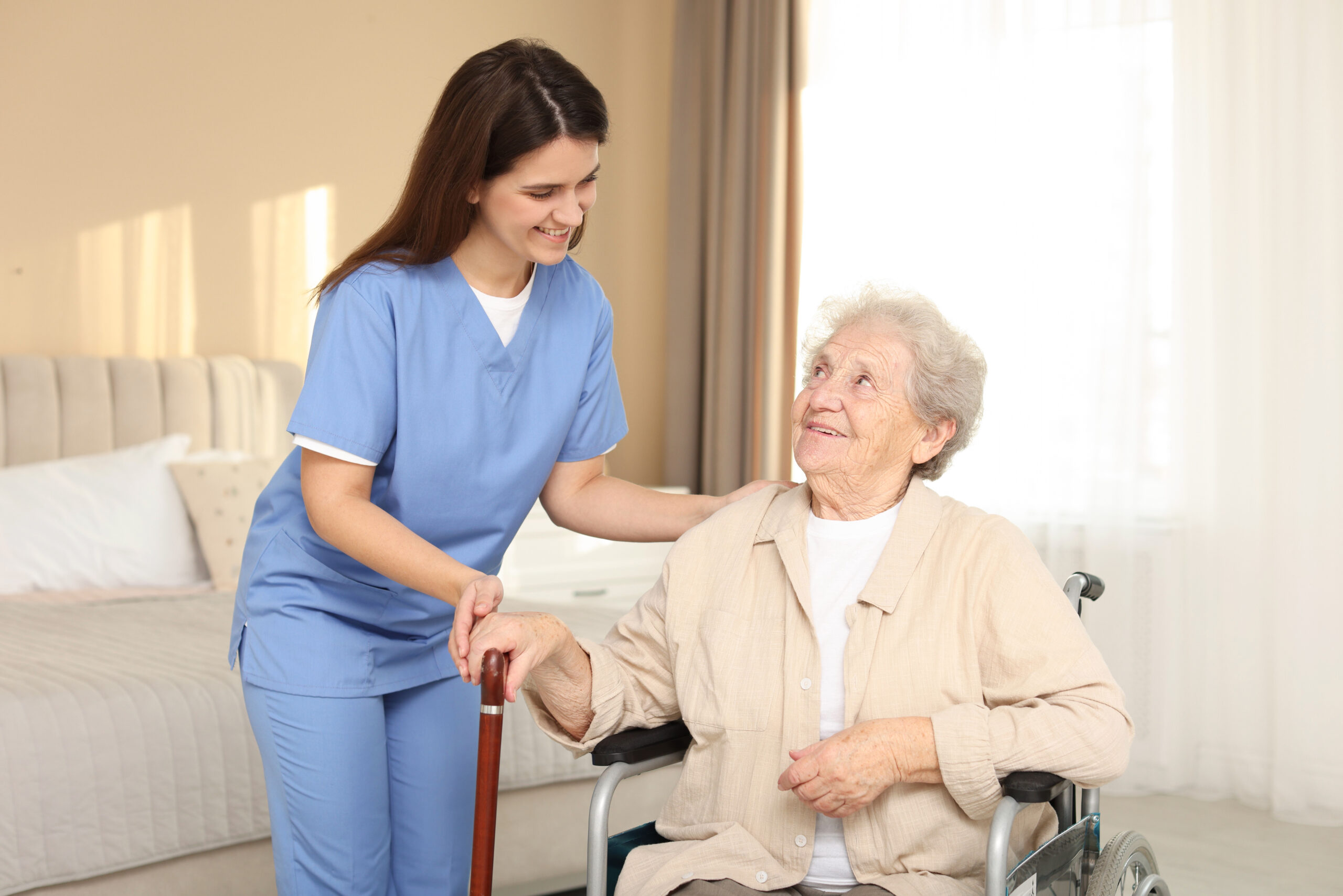
Professional caregivers can be a great boon for families who are unable to care for their loved ones without assistance. The type of elderly home care Columbia seniors need can vary. Some need assistance a few hours a day, while others require more extensive around-the-clock assistance. At Assisting Hands Home Care, we tailor our care plans based on each senior’s individual care needs, and the plans can be adjusted at any time. We are a trusted provider of respite and 24-hour care, and we also offer specialized Alzheimer’s, dementia, Parkinson’s, and stroke care for seniors.
What Role Does Physical Frailty Play in Recovery?
Extended periods of hospital bed rest can cause significant muscle loss and weakness, drastically increasing the risk of falls at home. A simple trip over a rug or slipping in the bathroom can result in broken bones or severe head injuries. These accidents compound the original health issue and frequently send seniors straight back to the emergency room.
Whether you need respite from your caregiving duties or your aging loved one needs Columbia 24-hour home care, Assisting Hands Home Care can meet your family’s care needs. Our dedicated caregivers are available around the clock to provide transportation to doctor’s appointments, ensure seniors take their prescribed medications, and help with a variety of tasks in and outside the home. To create a comprehensive in-home care plan for your loved one, call us today.
Frequently Asked Questions
What’s the most common cause of hospital readmission within 30 days?
+
Medication complications and secondary infections are the leading reasons seniors return to the hospital shortly after discharge.
How can caregivers prevent complications at home?
+
Caregivers should carefully organize all medications, monitor the senior for early signs of infection, and ensure all follow-up doctor appointments are attended.
When should a recently discharged senior contact the doctor?
+
Seniors should call their physicians immediately if they experience sudden fevers, increased pain, shortness of breath, or any unusual side effects from new medications.
Are certain individuals at higher risk during the first 30 days?
+
Yes, elderly individuals and those managing multiple chronic conditions, such as diabetes or heart failure, face a much higher risk of complications after discharge.