Table of Content
- 1 Why Should You Prioritize Fall Prevention and Flooring?
- 2 What Bathroom Modifications Can Reduce Slips and Support Independence?
- 3 How Can Improved Lighting Make a Home Safer for Older Adults?
- 4 What Changes Make a Kitchen Easier and Safer for Seniors to Use?
- 5 How Can Entryways and Staircases Be Made Safer for Daily Use?
Adapting a home for safe senior living typically involves reducing fall risks, improving visibility, and making key areas easier to use. Strategic changes to flooring, bathrooms, lighting, kitchens, and entryways can significantly lower the risk of accidents.
Most adults want to remain in their own homes as they age, but typical household layouts can present hidden dangers for those with changing mobility needs. Fortunately, making a few adjustments can significantly reduce accident risks and allow seniors to maintain their independence safely.
Why Should You Prioritize Fall Prevention and Flooring?
Falls are the leading cause of injury among older adults, making floor safety the most critical area to address. Navigating a home filled with obstacles becomes increasingly difficult as balance and eyesight decrease. The goal is to create smooth, unobstructed pathways throughout the entire residence.
Start by removing throw rugs and area rugs, which are notorious tripping hazards. If carpet is necessary, ensure it’s low pile and firmly secured to the subfloor. Additionally, scan the floor for everyday clutter and create a dedicated storage system to keep walkways clear.
Consider these flooring adjustments:
- Secure electrical cords – Tape down wires or run them behind furniture so they don’t cross walking paths.
- Apply nonslip strips – Add these to uncarpeted stairs or slick tile floors.
- Threshold ramps – Install small rubber or metal ramps over raised door thresholds to accommodate walkers and wheelchairs.
Seniors can face a variety of challenges as they age, many of which can be mitigated with the help of professional in-home caregivers who provide high-quality Columbia at-home care. Families trust Assisting Hands Home Care to help their elderly loved ones age in place safely and comfortably.
What Bathroom Modifications Can Reduce Slips and Support Independence?
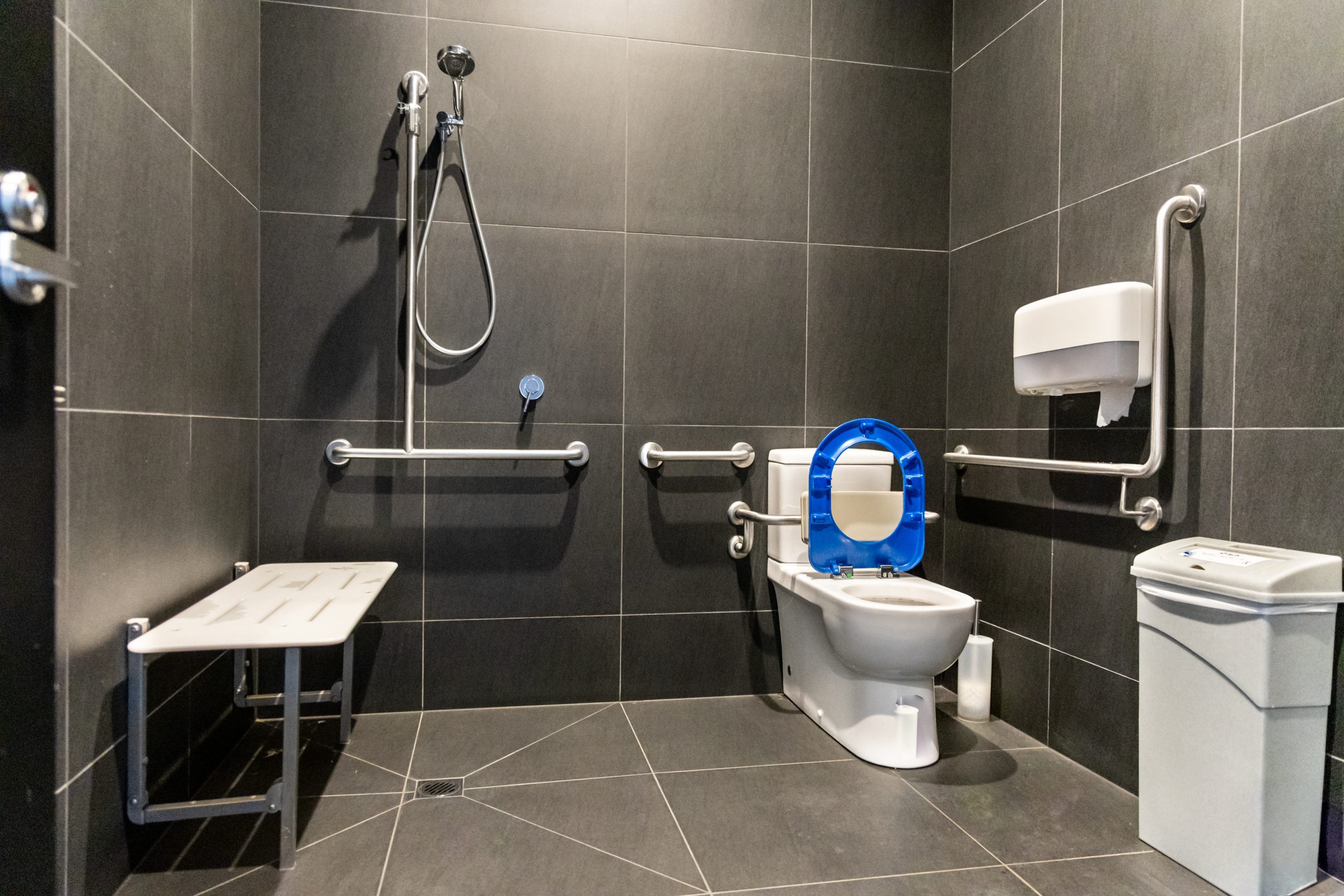
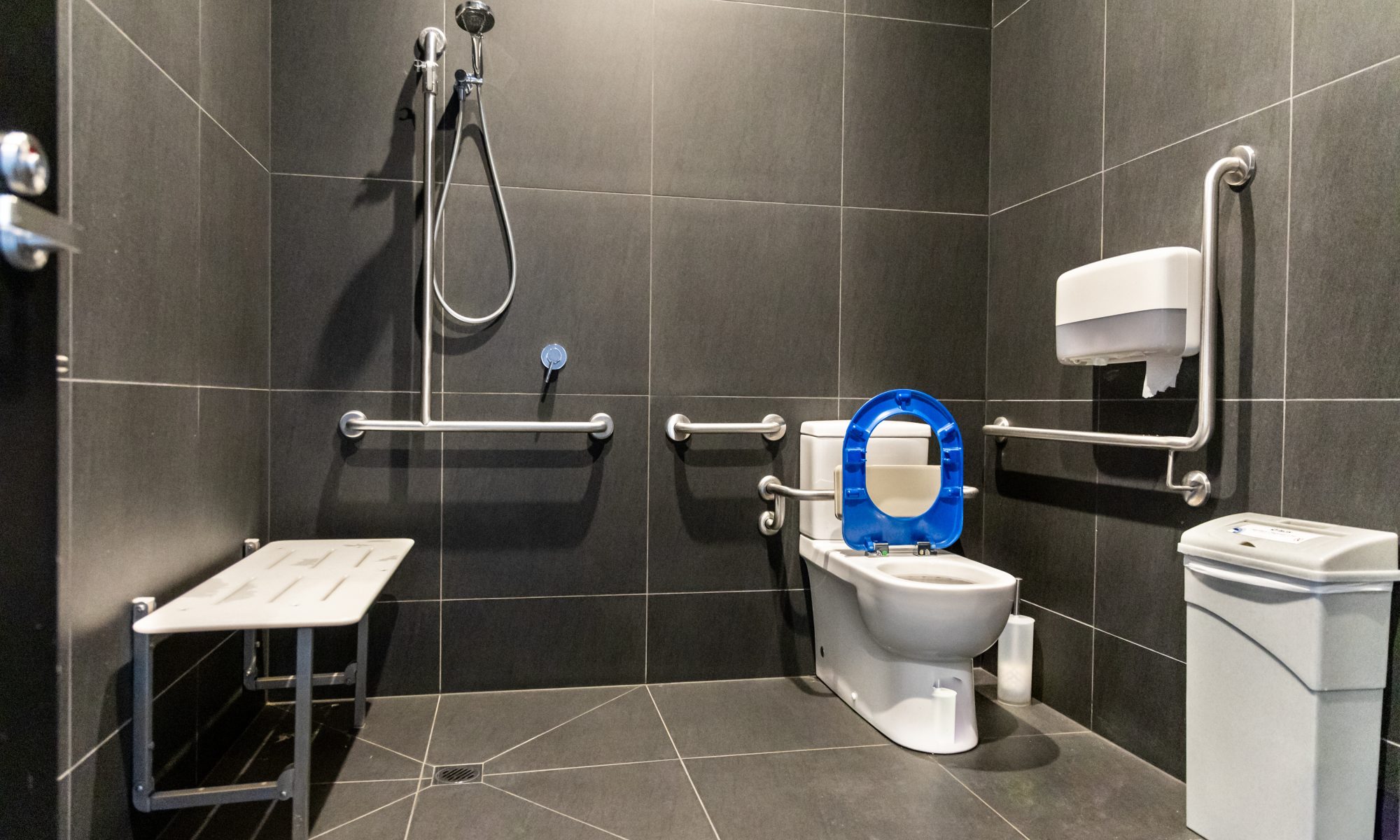
The bathroom is statistically the most dangerous room in the house due to slippery surfaces and hard fixtures. Adapting this space often requires more hardware installation than other rooms, but these modifications are vital for preventing slips and helping seniors maintain hygiene independence.
Installing grab bars is the first step. These shouldn’t be confused with towel racks, which cannot support a person’s weight. Grab bars should be bolted into the studs near the toilet and inside the shower or bathtub area.
Key bathroom upgrades include:
- Raised toilet seats – These reduce the distance your loved one needs to squat, making it easier to stand back up.
- Walk-in showers – Converting a bathtub to a curbless shower eliminates the need to step over a high wall.
- Nonslip mats – Place high-quality, rubber-backed mats inside and outside the shower.
- Shower chairs – A sturdy water-safe bench allows your loved one to bathe without the fatigue of standing.
How Can Improved Lighting Make a Home Safer for Older Adults?
Better lighting reduces hidden hazards and helps older adults move safely throughout the home. As we age, our eyes require more light to see clearly, so standard household lighting is often insufficient. A well-lit home can prevent accidents and reduce eye strain.
Focus on increasing the wattage of bulbs in existing fixtures, ensuring they stay within the manufacturer’s safety limits. Hallways and staircases should be illuminated at all times, potentially with motion-sensor lights that activate automatically when a person enters the area.
Lighting improvements to consider:
- Rocker light switches – Replace traditional toggle switches with large rocker switches that are easier to operate for those with arthritis.
- Task lighting – Add under-cabinet lights in the kitchen and reading lamps near favorite chairs.
- Nightlights – Install automatic nightlights in the path from the bedroom to the bathroom.
What Changes Make a Kitchen Easier and Safer for Seniors to Use?
The kitchen is the heart of the home, but it often requires bending, reaching, and lifting—movements that can lead to strain or loss of balance. The objective of kitchen adaptation is to keep frequently used items within an easy “zone of reach,” generally between hip and eye level.
Reorganize the pantry and cabinets so heavy items like flour jars or canned goods are on the counter or lower shelves. Avoid storing essential items on high shelves that require a step stool, as climbing is a significant safety risk.
Simple kitchen modifications include:
- Lever-style faucets – Replace knob handles with a single-lever faucet that’s easier to turn on and off.
- Pull-out shelves – Install roll-out trays in lower cabinets to bring items forward without deep bending.
- Microwave placement – Move the microwave to countertop level rather than mounting it high above the stove.
Kitchen safety is especially important for seniors who are living with cognitive decline due to Alzheimer’s disease or another form of dementia. Caring for seniors with dementia can be challenging for family caregivers. Luckily, there is dementia care Columbia families can rely on. Professional dementia caregivers help seniors with dementia stay safe and comfortable at home by preventing wandering, providing cognitive stimulation, and assisting with household chores.
How Can Entryways and Staircases Be Made Safer for Daily Use?
Safe entry and exit points are essential for maintaining mobility and independence at home. Getting in and out of the house safely is just as important as navigating the interior. Exterior stairs can be particularly treacherous during bad weather. If the home has a step at the front door, consider installing a ramp. Even if your loved one doesn’t use a wheelchair, a ramp provides a gentle slope that’s easier on the knees than stairs.
For any staircase, indoors or out, sturdy handrails are nonnegotiable. They should extend the full length of the stairs and ideally be installed on both sides to provide maximum stability.
Entryway safety checklist:
- Motion-sensor porch lights – Ensure the front door is brightly lit as soon as someone approaches.
- Repair uneven pavement – Fix cracks in the driveway or walkway that could catch a toe or a cane.
- Covered entrances – If possible, build a small awning over the door to protect your loved one from rain or snow while unlocking the door.
For many seniors in central Maryland, Columbia 24-hour home care is an essential component of aging in place safely and comfortably. However, it’s important for them to have caregivers they can trust and rely on. At Assisting Hands Home Care, we extensively screen all of our caregivers and only hire those who have experience in the senior home care industry. Our strict requirements ensure seniors can remain in the comfort of home with a reduced risk of injury or serious illness. To hire a dedicated caregiver, call Assisting Hands Home Care today.
How do home care services enhance senior safety?
+
Home care services provide assistance with daily tasks, fall prevention, medication reminders, and monitoring to ensure a safe environment.
Can home care services prevent falls at home?
+
Yes, caregivers can identify hazards, assist with mobility, and implement safety measures to reduce the risk of falls.
What safety training do home care providers have?
+
Caregivers are trained in first aid, emergency response, and techniques to safely assist seniors with mobility and daily activities.
How can home care services support seniors with memory issues?
+
Caregivers provide medication reminders, supervision, and structured routines to help seniors with memory challenges stay safe and secure.
Are home care services customizable for specific safety needs?
+
Yes, care plans are tailored to address the unique safety concerns and requirements of each individual senior.