Table of Content
Caregiving often feels like you need to do everything for your senior loved one, but preserving his or her sense of autonomy is crucial for his or her mental wellbeing. By making small adjustments to your daily routine, you can empower your loved one to maintain dignity and self-sufficiency.
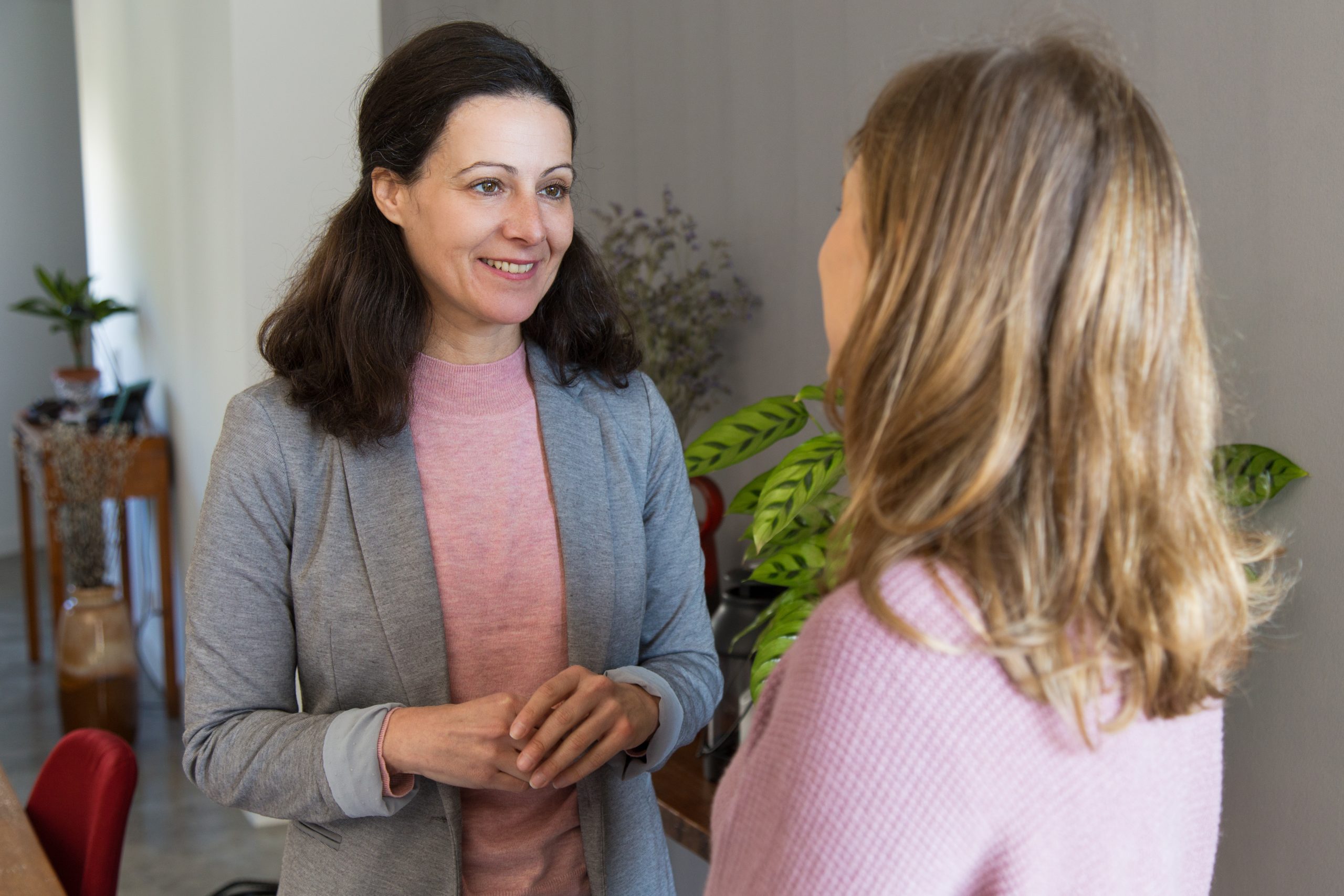
Involve Your Loved One in Daily Decision-Making
One of the quickest ways seniors lose their sense of independence is when they feel they no longer have voices in their own lives. It’s easy for a caregiver to fall into the habit of making decisions for the sake of efficiency, but this can inadvertently strip your loved one of agency.
To combat this, prioritize “person-centered care” by involving your loved one in as many choices as possible. This doesn’t always mean making major medical decisions. Often, the small everyday choices matter most. Ask questions like:
- “Would you prefer the blue shirt or the red one today?”
- “What would you like to have for lunch?”
- “Would you like to go for a walk now or later this afternoon?”
Even if your loved one’s cognitive abilities are decreasing, offering simple “this or that” choices can help your loved one feel respected and in control of his or her immediate environment.
If your loved one is living with cognitive decline due to dementia, compassionate help is just a phone call away. Aging in place can present a few challenges for seniors living with dementia. However, with professional dementia care that offers Columbia families peace of mind, they can still live independently at home. Families can rely on Assisting Hands Home Care to provide their elderly loved ones with mental and social stimulation, timely medication reminders, assistance with meal prep, and much more. Our caregivers are available around the clock to help your loved one live a happier and healthier life.
Modify the Home Environment for Accessibility
A major barrier to independence is a physical environment that doesn’t match the individual’s current abilities. If the home is cluttered or items are out of reach, your loved one may be forced to ask for help with simple tasks. Modifying the living space can drastically reduce your loved one’s reliance on you for basic movements.
Start by assessing the most high-traffic areas of the home, such as the kitchen, bathroom, and bedroom. Look for ways to make these spaces safer and more navigable. Consider implementing the following changes:
- Kitchen – Move frequently used items like cups, plates, and snacks to lower shelves or countertops so they can be reached without a step stool or excessive reaching.
- Bathroom – Install grab bars near the toilet and in the shower to allow your loved one to use the facilities privately and safely.
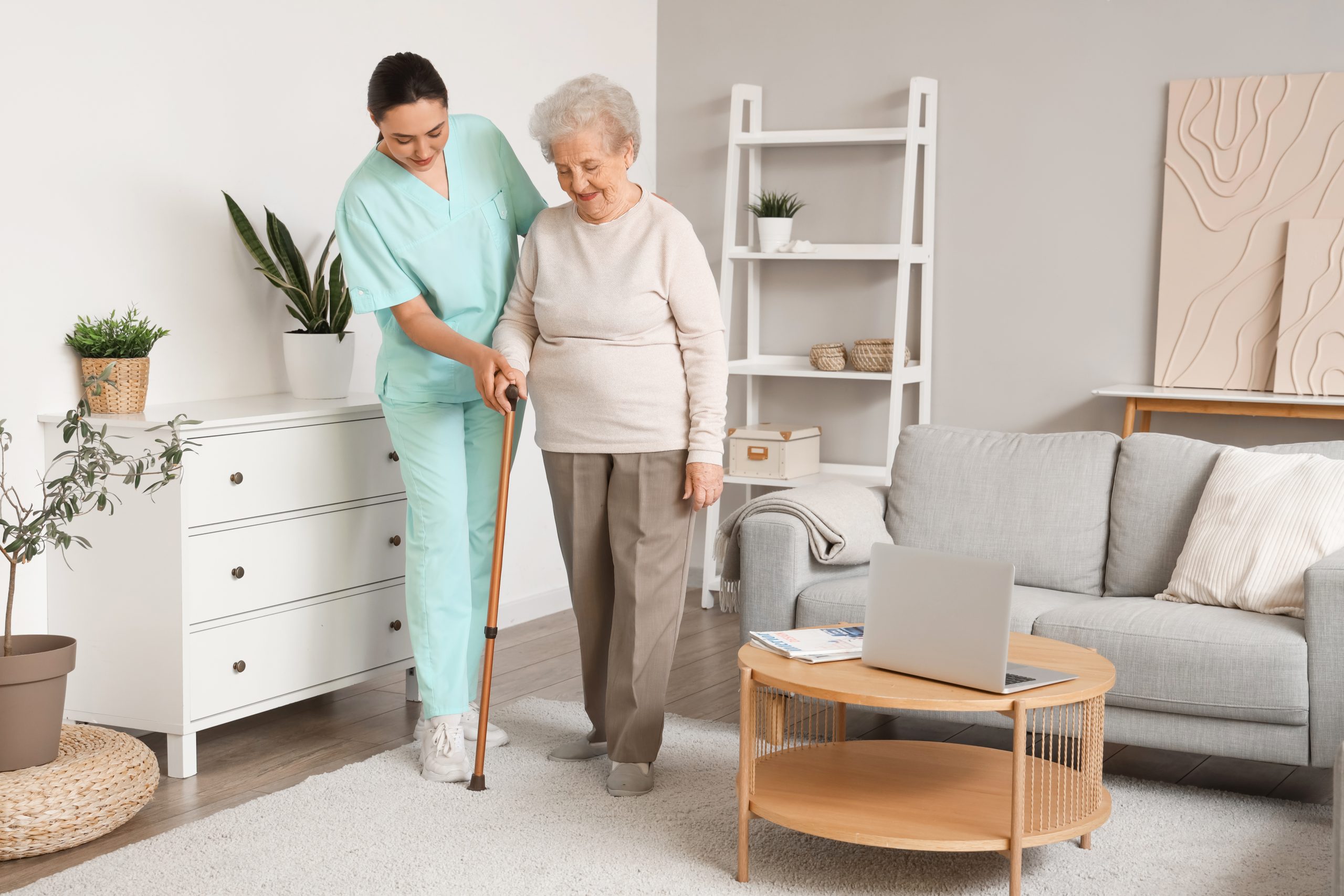
- Living areas – Ensure pathways are wide and free of tripping hazards like throw rugs or electrical cords to accommodate walkers or canes.
Introduce Assistive Devices and Adaptive Tools
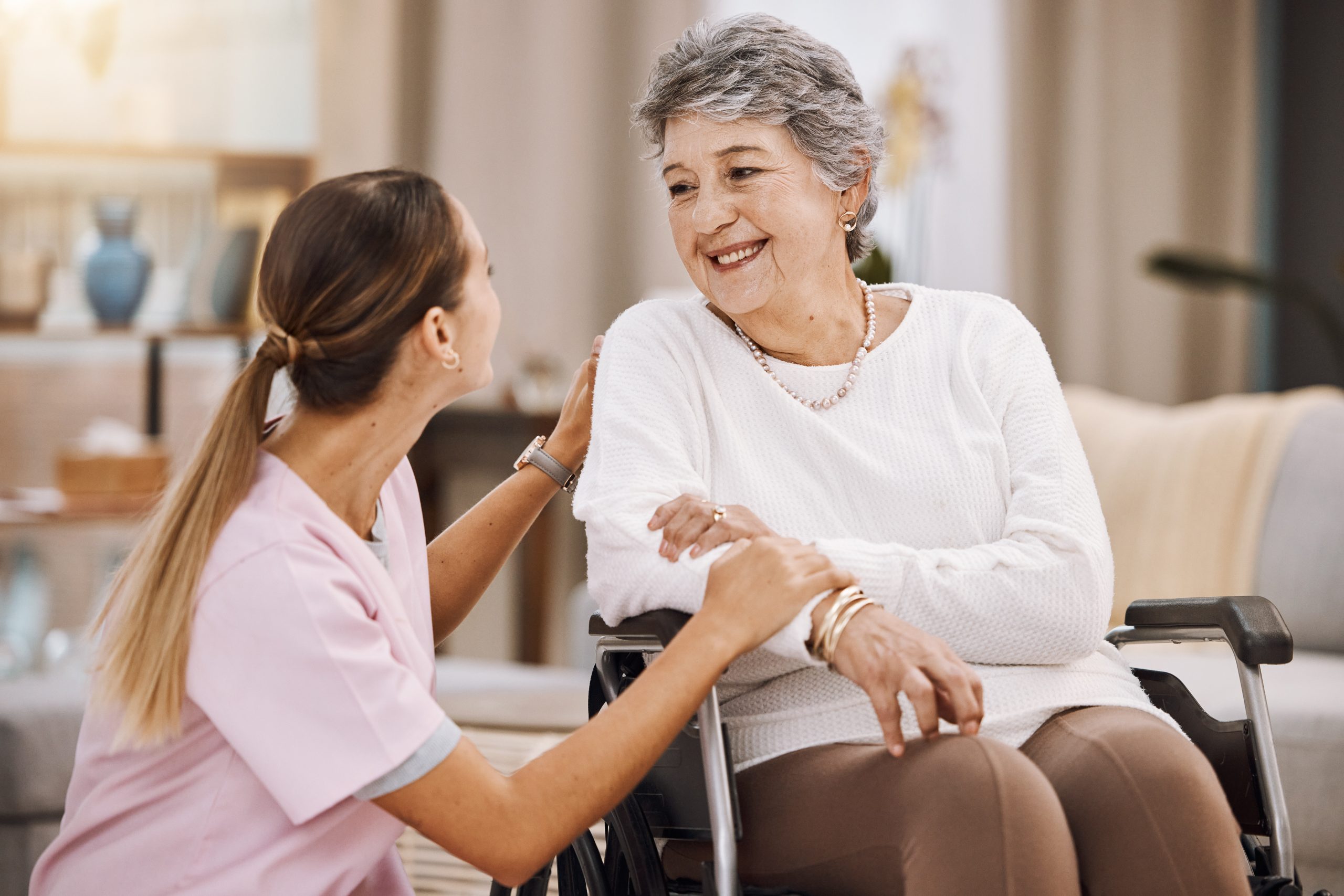
Technology and simple tools can bridge the gap between ability and disability. There’s a vast market of adaptive equipment designed specifically to help people perform activities of daily living (ADLs) on their own. Introducing these tools can transform a task that was once impossible into a manageable routine.
If your loved one has difficulty with fine motor skills or mobility, look into:
- Dressing aids – Button hooks, zipper pulls, and long-handled shoehorns can help your loved one get dressed without assistance.
- Eating utensils – Weighted silverware or cups with large handles can make eating easier for those with tremors or weak grips.
- Medication organization – Automatic pill dispensers or organizers with alarms can help your loved one manage his or her own health regimen without you needing to hand out every dose.
Living independently is important for seniors who want to maintain a high quality of life. For some, this simply means receiving help with tasks that have become more challenging to manage over time. Even when families have the best intentions, they may not have the time to provide the care their elderly loved ones need and deserve. If your loved one needs help for a few hours a day or a few days a week, reach out to Assisting Hands Home Care, a trusted provider of respite care Columbia seniors can depend on.
Focus on Abilities, Not Disabilities
It’s natural to want to help, but “over-caring” can lead to learned helplessness. This occurs when individuals learn that if they wait long enough, someone else will do tasks for them. Eventually, they stop trying altogether, which accelerates physical and cognitive decline.
Adopting a strengths-based approach means looking at what your loved one can still do and encouraging him or her to do it, even if it’s imperfect. If your loved one can fold laundry but cannot wash it, let him or her fold. If your loved one can wash his or her face but not his or her hair, let your loved one handle the face washing. By focusing on your loved one’s remaining strengths, you reinforce his or her competence and value.
Practice Patience and Step Back
Perhaps the most difficult aspect of encouraging independence is the time it requires. It’s almost always faster and easier for you to tie your loved one’s shoes, button his or her coat, or butter his or her toast. However, stepping in too quickly denies your loved one the opportunity to succeed independently.
You must consciously practice patience. Allow extra time in your schedule for tasks so you aren’t rushing your loved one. Stand by for safety, but keep your hands off unless your loved one asks for help or is in danger. Use verbal cues rather than physical intervention. For example, instead of taking the spoon and feeding your loved one, you might simply say “Try scooping a little less this time.” This approach signals that you trust your loved one to handle the task, boosting his or her confidence.
There are a variety of age-related health conditions that can make it more challenging for seniors to live independently. However, many of the challenges they face can be easier to manage if their families opt for professional Columbia senior home care. Families can rely on expertly trained caregivers to keep their loved ones safe and comfortable while aging in place. Trust Assisting Hands Home Care to provide high-quality compassionate professional care for your loved one. If your loved one needs help with the challenges of aging, call one of our compassionate Care Managers today.